Recognizing Peptide Purity Screening
Theoretically, peptide purity is measured by the chromatogram created by reversed stage HPLC, and in addition, we can obtain the number and family member amount of feasible byproducts by calculating the peak location. A high-quality chromatogram has a single, in proportion major top with a flat standard on either side. " Tailing"-- where the optimal tracks off gradually on one side-- can suggest column issues, example overloading, or additional communications in between the peptide and the fixed stage. In this arrangement, the stationary stage is hydrophobic (water-repelling), normally C18-bonded silica. The mobile stage is a gradient of water and a natural solvent like acetonitrile, usually with a percentage of trifluoroacetic acid (TFA) to sharpen the tops.FDA and the European EMA have actually developed standards mandating detailed analysis and quality control for peptide products to ensure safety and effectivenessr. In the context of pharmaceutical or clinical-grade peptides, lab recognition is important to fulfilling these guidelines. For example, before a peptide medicine can enter human tests, its supplier should demonstrate the identity, purity, potency, and safety of the peptide with validated logical methods. Peptide pureness screening information are required in preclinical researches and should be consisted of in investigational new medication (IND) applications and later new drug applications (NDAs).

These can be particularly troublesome since their chromatographic behavior is extremely comparable to the target peptide, making them more difficult to separate during filtration. When a peptide is 98% pure, that staying 2% isn't random sound-- it specifies, recognizable kinds of by-products. Mass spectrometry measures the molecular weight of a compound with extreme accuracy. For peptides, the most common methods are electrospray ionization (ESI-MS) and matrix-assisted laser desorption/ionization time-of-flight (MALDI-TOF). HPLC divides a mixture into its individual components based upon exactly how each molecule connects with Additional reading a specially made column.
- Along with HPLC and MS, specialized labs might employ orthogonal techniques for added accuracy.The pureness percent is generally calculated from the major peak location split by the total incorporated peak location.A common lab will run the peptide via an HPLC system and produce a chromatogram-- the main peak represents the target peptide, and any type of additional heights suggest other substances.By verifying structure with numerous validated approaches, lab validation warranties that scientists get a high-purity peptide that will certainly perform as expected in the laboratory.A 2016 study released in Nature located that more than 70% of scientists had tried and fallen short to reproduce an additional researcher's experiments.We sustain amino acid make-up evaluation and web peptide web content analysis for teams that need more dependable focus setting and set interpretation.
What The Contaminations Actually Are
HPLC can sustain cases concerning chromatographic pureness, contamination height concern, and degradation trends when the approach is appropriate and the chromatogram is available. If a peptide is re-tested after storage stress and anxiety, HPLC can reveal whether brand-new pollutant heights have actually shown up or whether the main optimal location has declined. This connects Click for more directly with handling topics such as peptide storage and peptide reconstitution. For examples of product-level context, compare the anticipated masses for Retatrutide, BPC-157, and Semaglutide.Peptide Purity Evaluation Solution
In addition to HPLC and MS, specialized laboratories might employ orthogonal methods for included accuracy. For example, capillary electrophoresis can be used to divide really hydrophilic peptides or to confirm results, and MALDI-TOF mass spectrometry can aid in mapping larger or customized peptides. Numerous peptide manufacturers or distributors will certainly give a COA (Certification of Evaluation), for example our bpc 157 tb 500 mix, that includes the pureness portion by HPLC and identification verification by MS for every batch. Top-tier labs often report peptide pureness well above 95%, regularly ≥ 98-99%, by using advanced HPLC and MS analyses. They additionally evaluate both resources and finished peptide vials, which aids capture any kind of contaminations, degradation products, or formulation disparities. 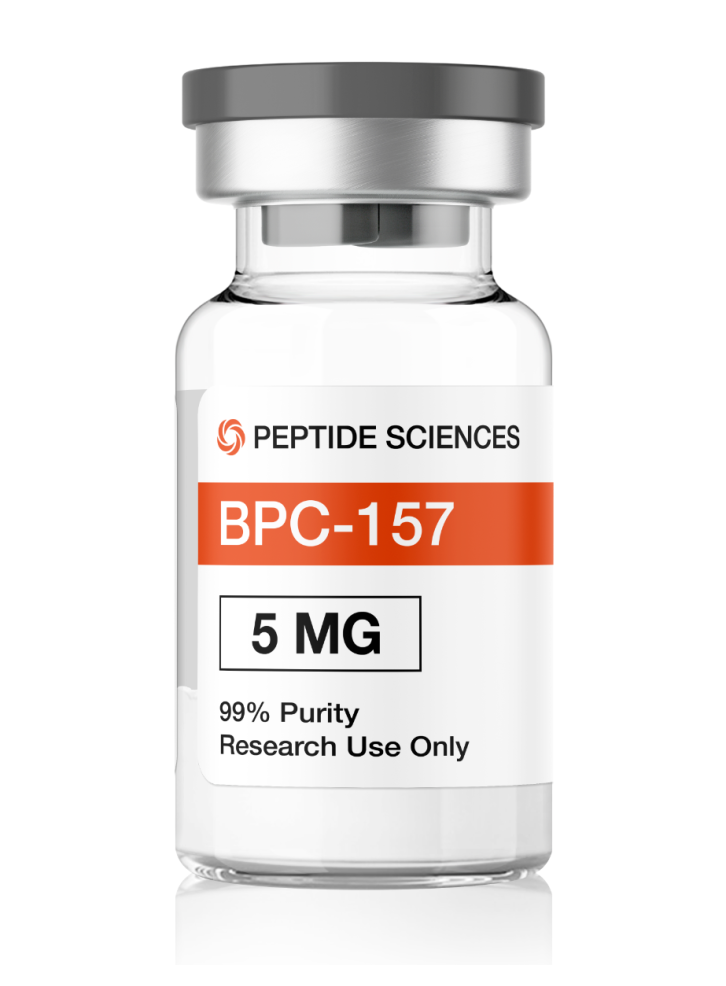
Precise decision of the masterpiece with capillary isoelectric focusing (cIEF) aids in peptide characterization and is important for applications where peptide charge impacts function and security. We help identify chromatographic purity from actual peptide amount so customers can prepare solutions and contrast whole lots with better confidence. We choose methods according to peptide size, hydrophobicity, charge account, and adjustment standing rather than requiring every example right into one theme.
High pureness is desirable because even tiny pollutants could hinder experimental results or analyses. This write-up will break down how peptide purity is measured, why it's distinct from peptide identity, what the typical pureness levels (95%, 98%, 99%) represent, and what "research-grade" indicates in practice for peptide reagents. Several peptide programs face analytical unpredictability prior to they fail clinically. We utilize sophisticated reverse-phase HPLC to establish the purity of client peptide examples. Likewise, bear in mind that "research-grade" peptides are meant for the lab bench and feature high pureness and identification checks yet are not produced as medications. Constantly check that your peptide includes correct analytical data (HPLC chromatogram and MS outcomes) and is classified for research study usage. Equipped with this understanding, you can confidently interpret labels like "95% pureness, research quality" and utilize those peptides to drive your experiments without complication. Knowledge of purity levels will certainly also guide you if you ever need a higher pureness peptide for an especially delicate assay. Ultimately, obtaining the purity level right implies extra trusted science-- and that's the best objective for any kind of researcher. With years of logical screening experience and advanced tool systems, BOC Sciences supplies detailed peptide top quality testing services across the entire procedure from basic materials to formulas.